CRSL In Focus Blog Series
Foundational Literacy Topics Explored in 4 Parts
Research + Conversation + Classroom Practice + A 2-Minute Takeaway
Early Childhood Education

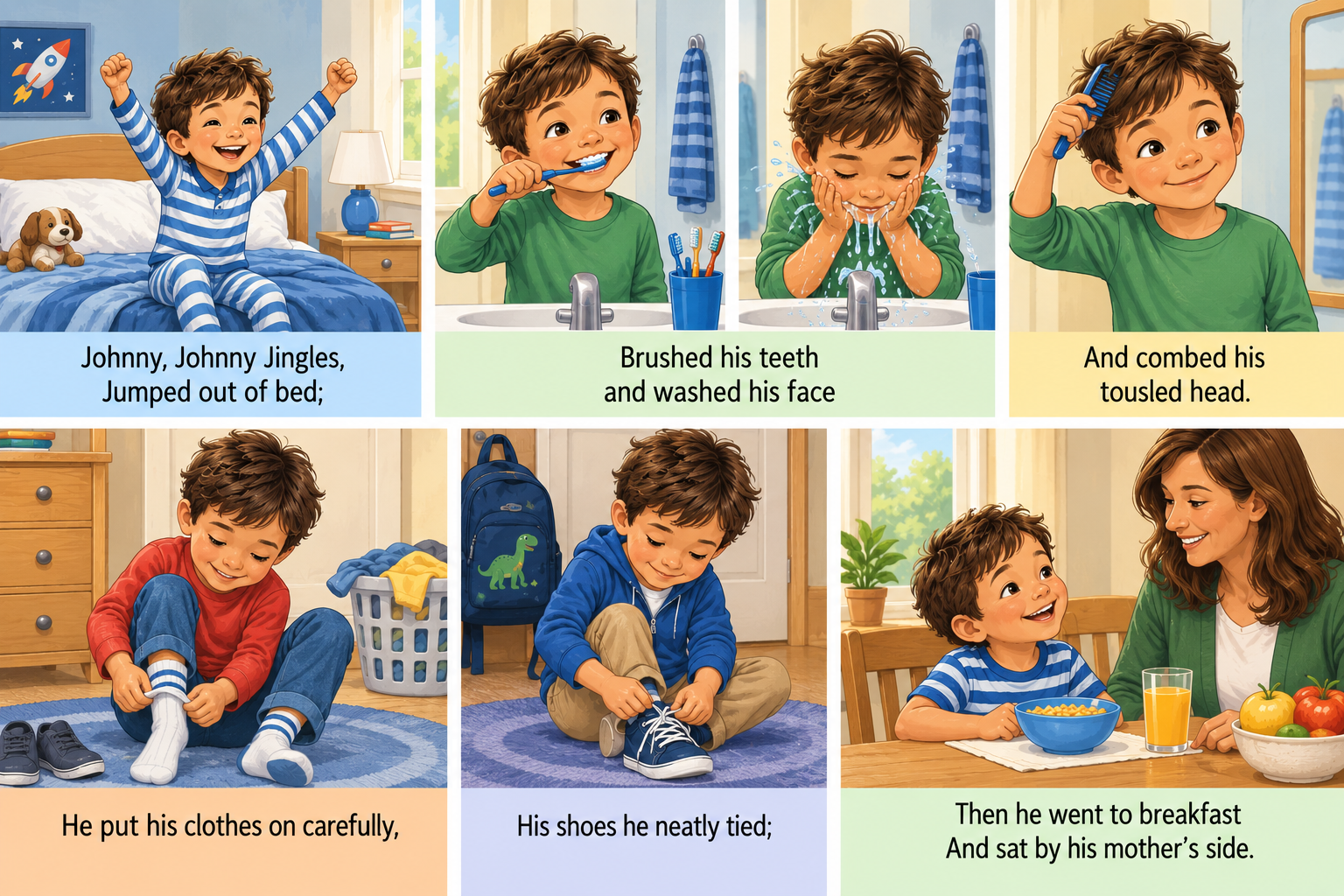

Decodable Books
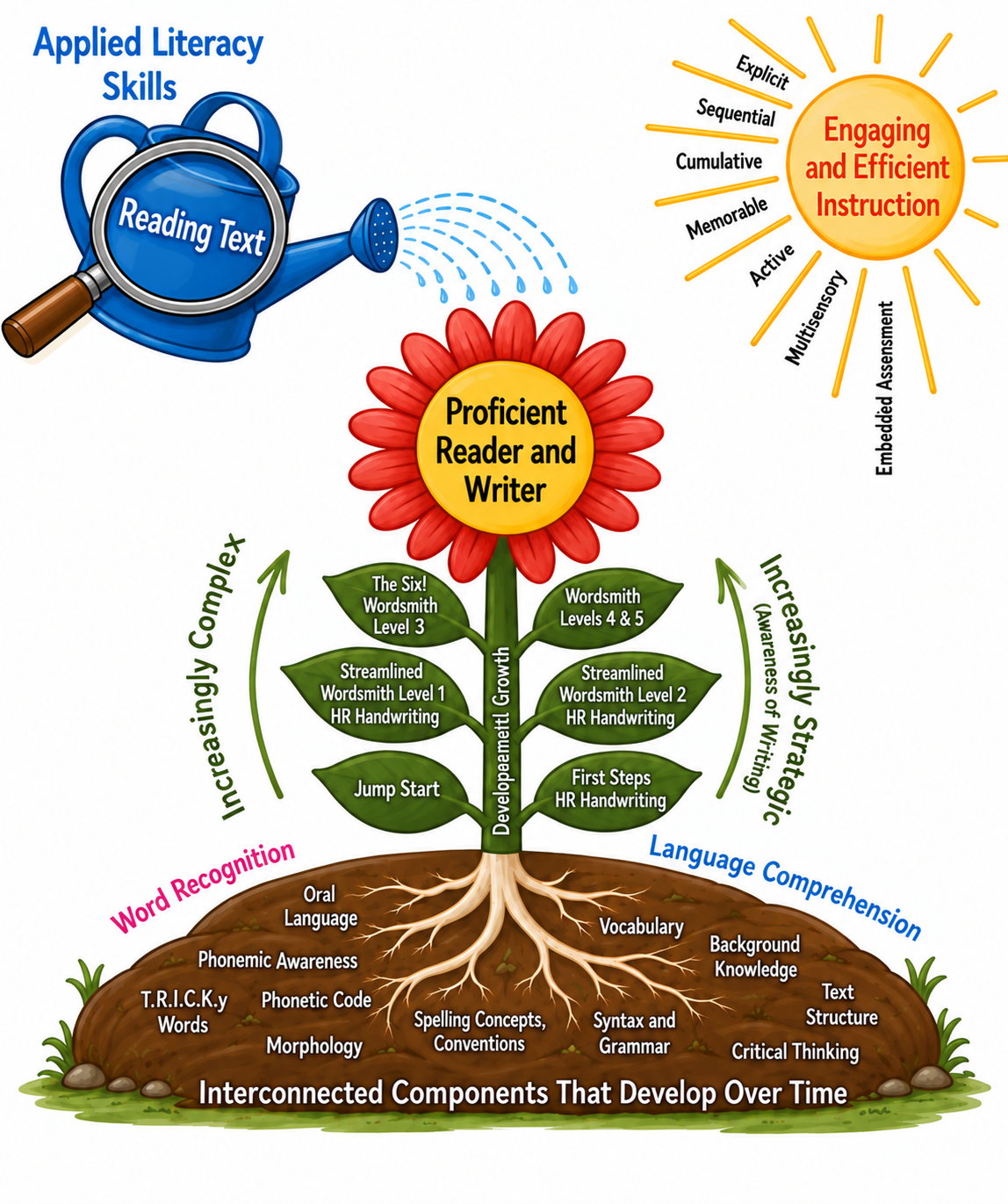
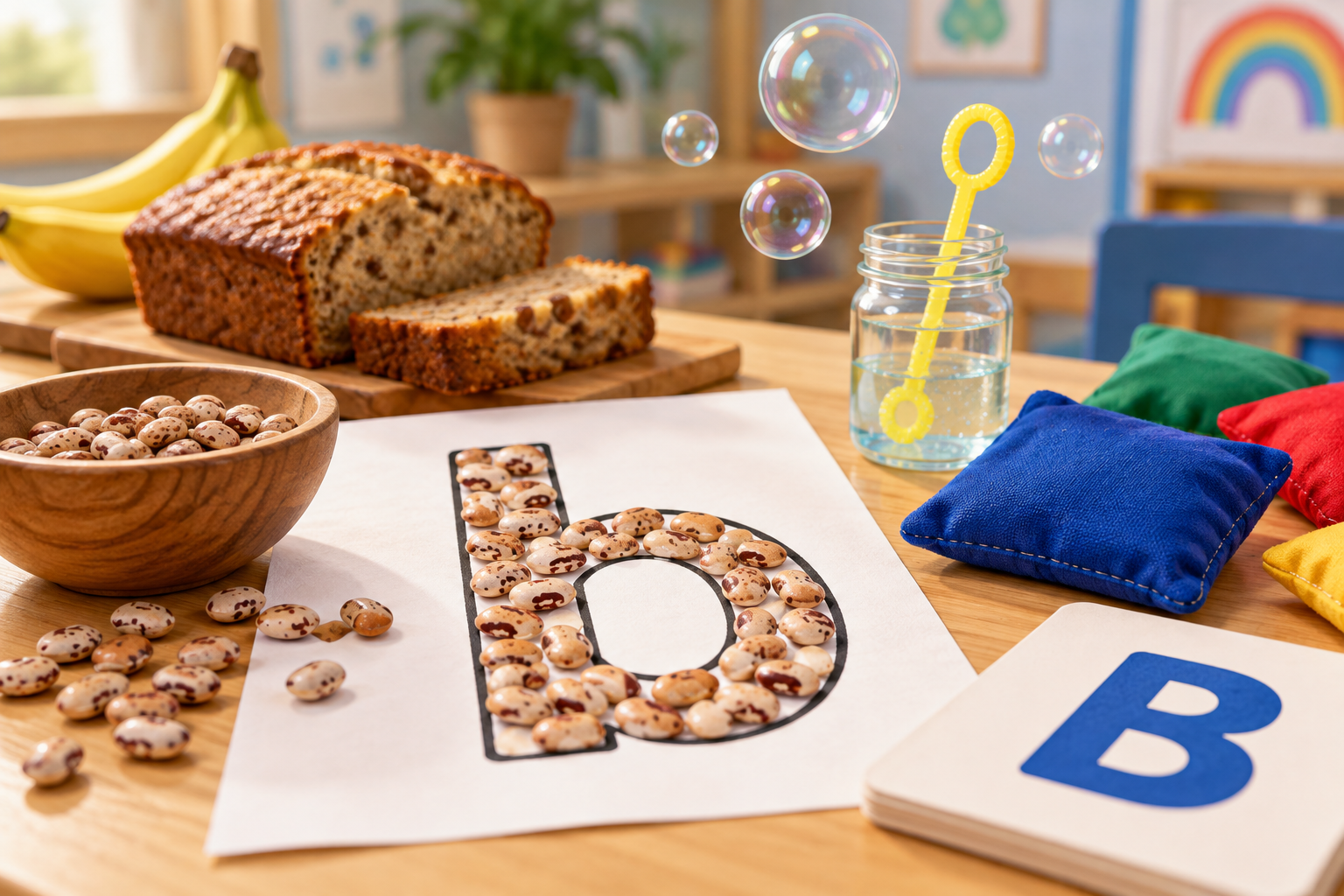
Decodable books work best when they are intentionally aligned to phonics instruction, giving students immediate, structured practice with patterns they already know.

When decodable books are written within a clear scope and sequence, they continue to do important work in the classroom, building accuracy, fluency, and confidence over time.
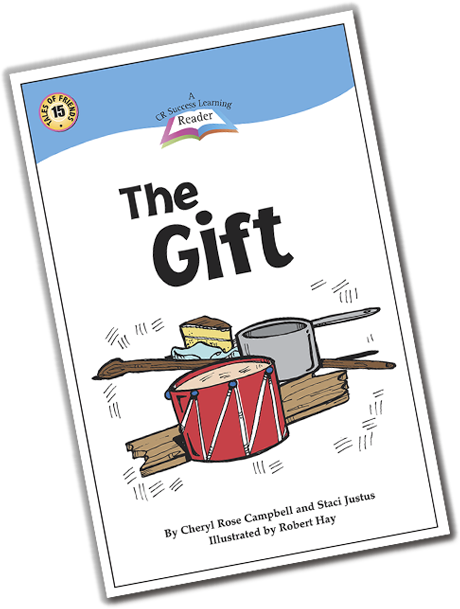
Small shifts in how we introduce, guide, and revisit decodable reading can deepen fluency and comprehension without adding more to the lesson plan.

Morphology
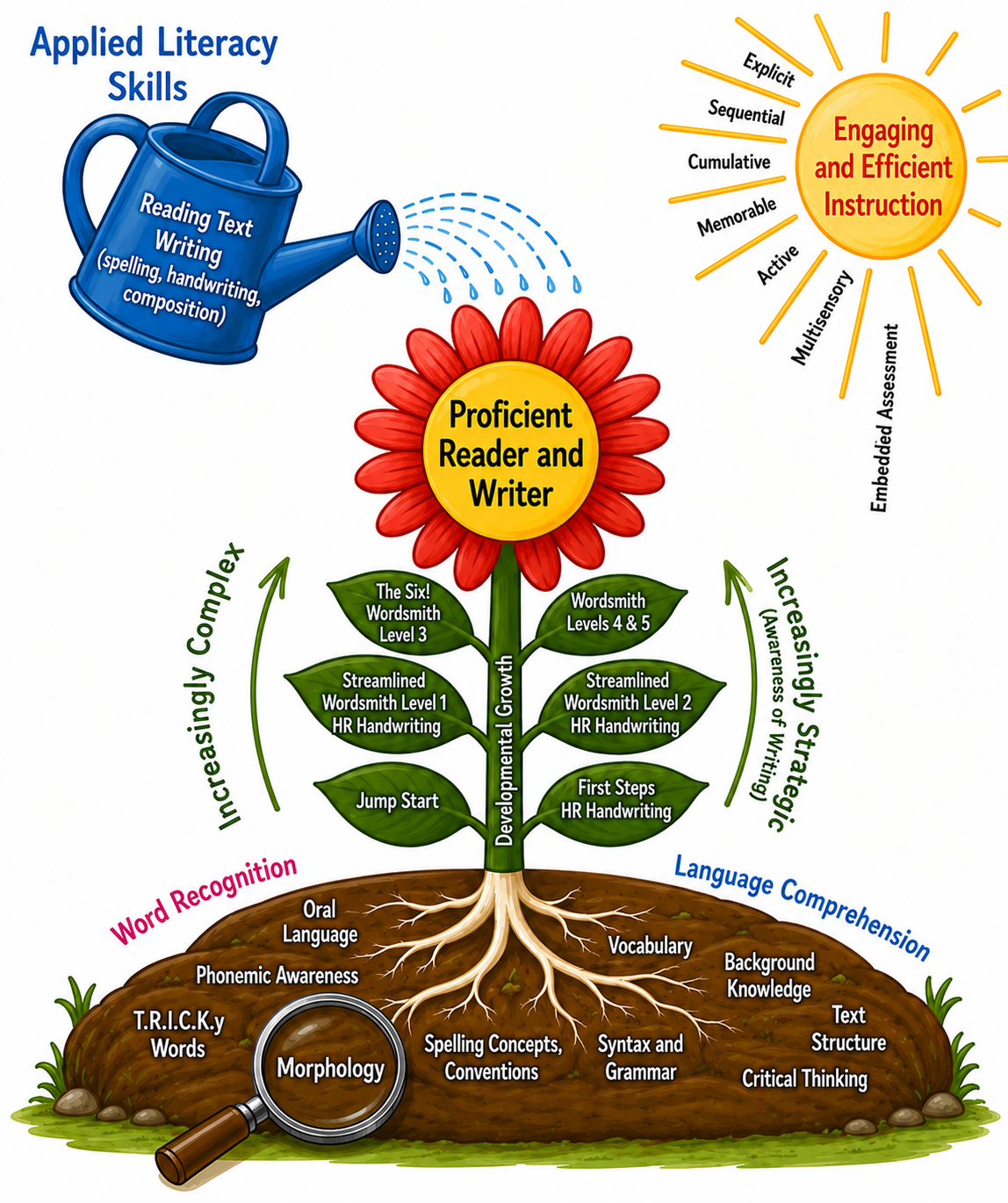
Research shows that understanding word parts builds vocabulary and boosts reading comprehension. Morphology helps students make sense of unfamiliar words and read with more confidence.

Making morphology part of daily instruction can boost vocabulary and comprehension. Cheryl Rose Campbell shares ways to guide word analysis and spark meaningful discussion.
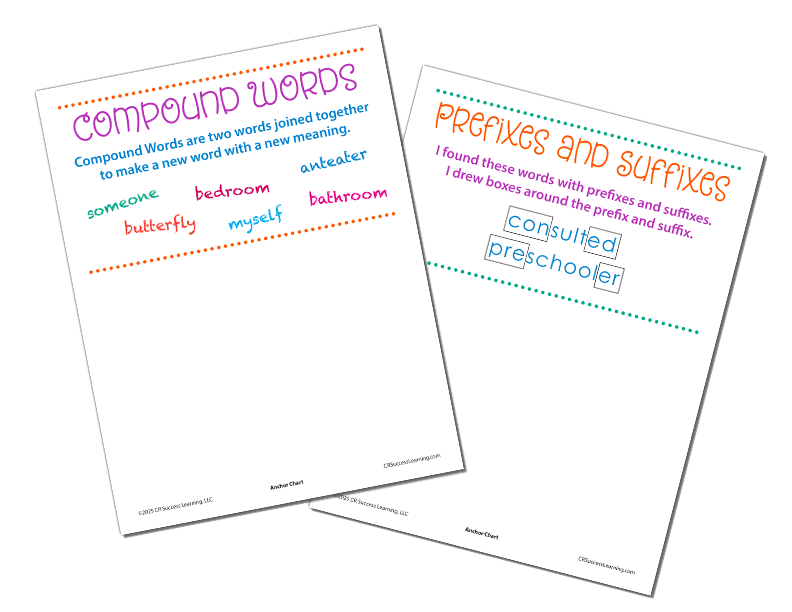
Practical strategies make it easier to teach morphology with confidence. This post offers simple routines and activities to help students break down words and build stronger vocabulary skills.

Spelling & Reading Connections
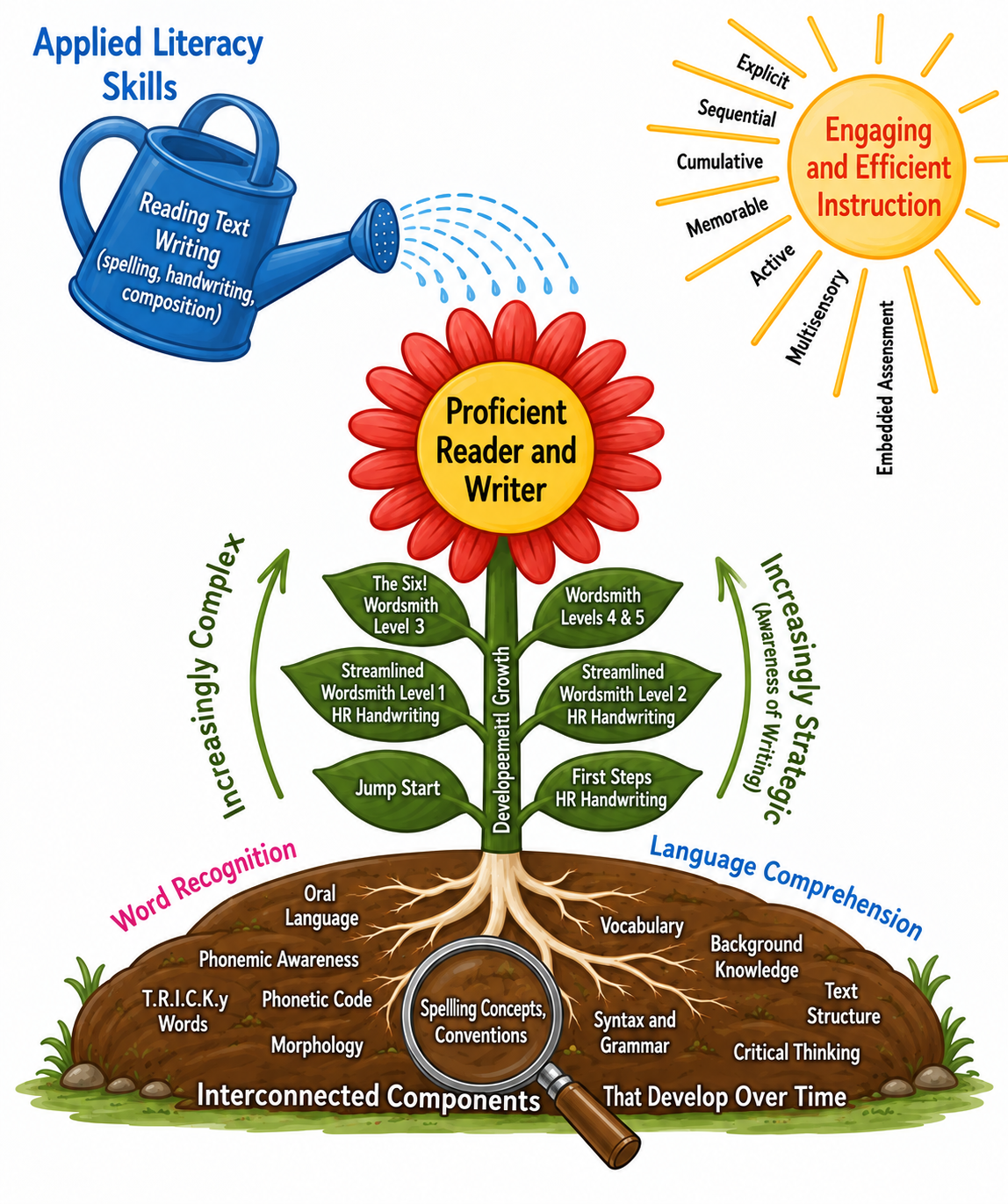
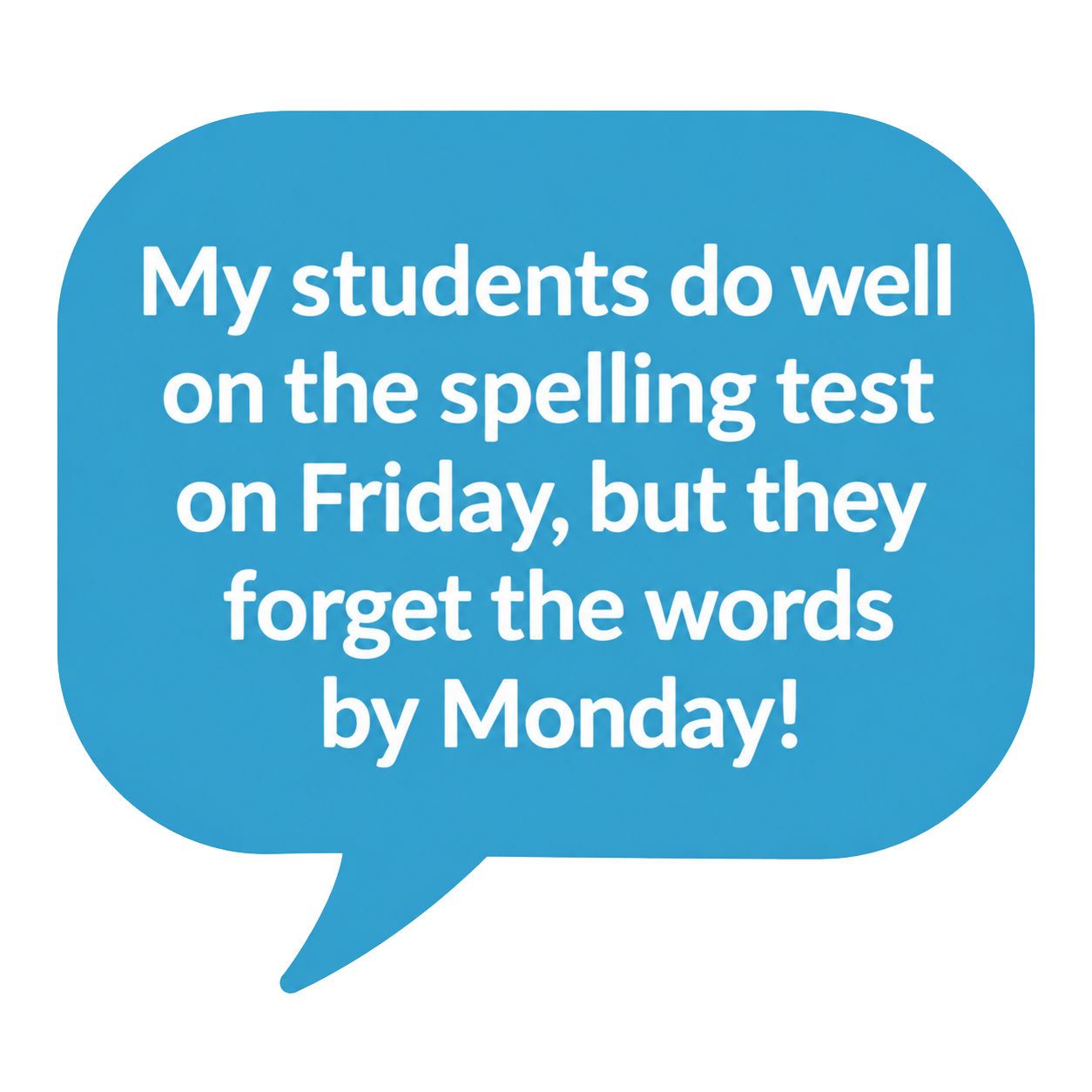
Spelling is more than just getting words right. it helps students connect sounds, patterns, and meaning. Let’s look at why spelling is such an important piece of real literacy growth.
Cheryl Rose Campbell, CRSL president, shares eight key ideas that shaped our word study program titled Wordsmith. She demonstrates how thoughtful spelling instruction builds real skills that stick.
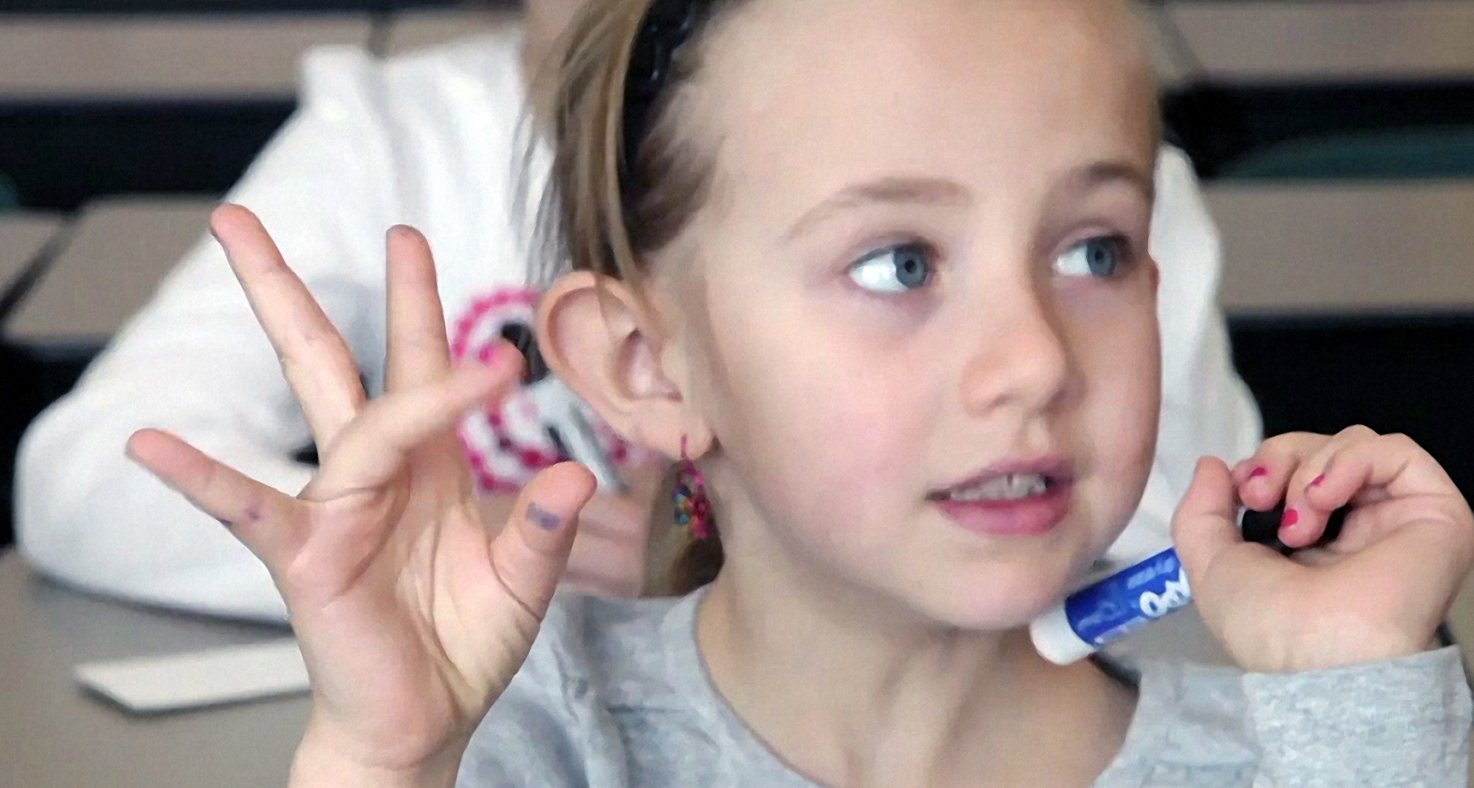
Good spelling habits start when students do the thinking themselves. We share easy ways to shift the thinking back to students, with simple tools and feedback that build real confidence.

Formative Assessments
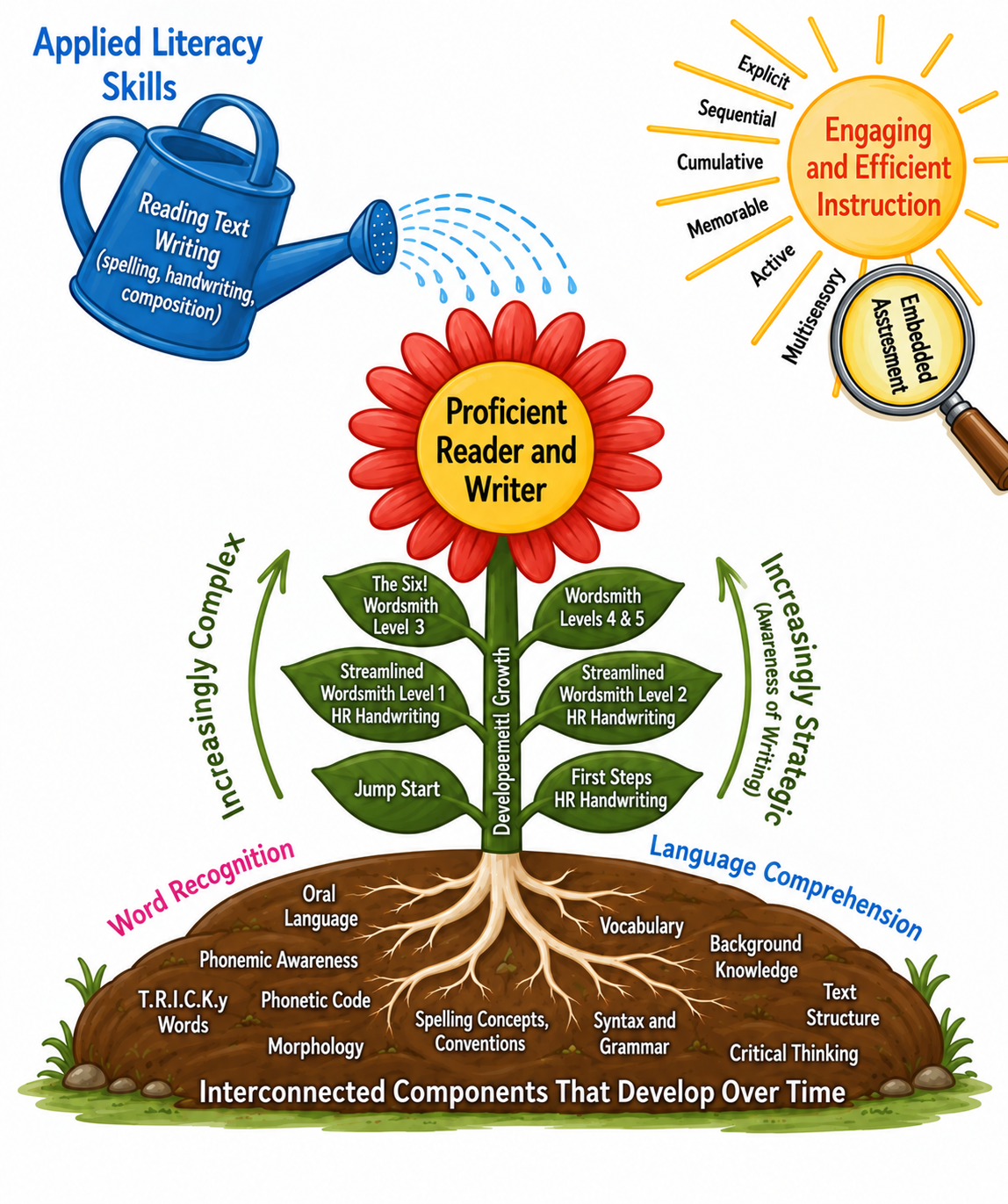
Formative assessment isn’t just another buzzword. It is a research-backed process that helps teachers adjust instruction in real time. In this post, we unpack the science behind curriculum-based measurement (CBM) and why it’s essential for monitoring literacy progress.

When it comes to assessment, we keep four key questions in mind—each one focused on keeping feedback practical, connected, and teacher-friendly. Cheryl shares how these principles shape our work at CRSL and beyond.


Oral Language Skills
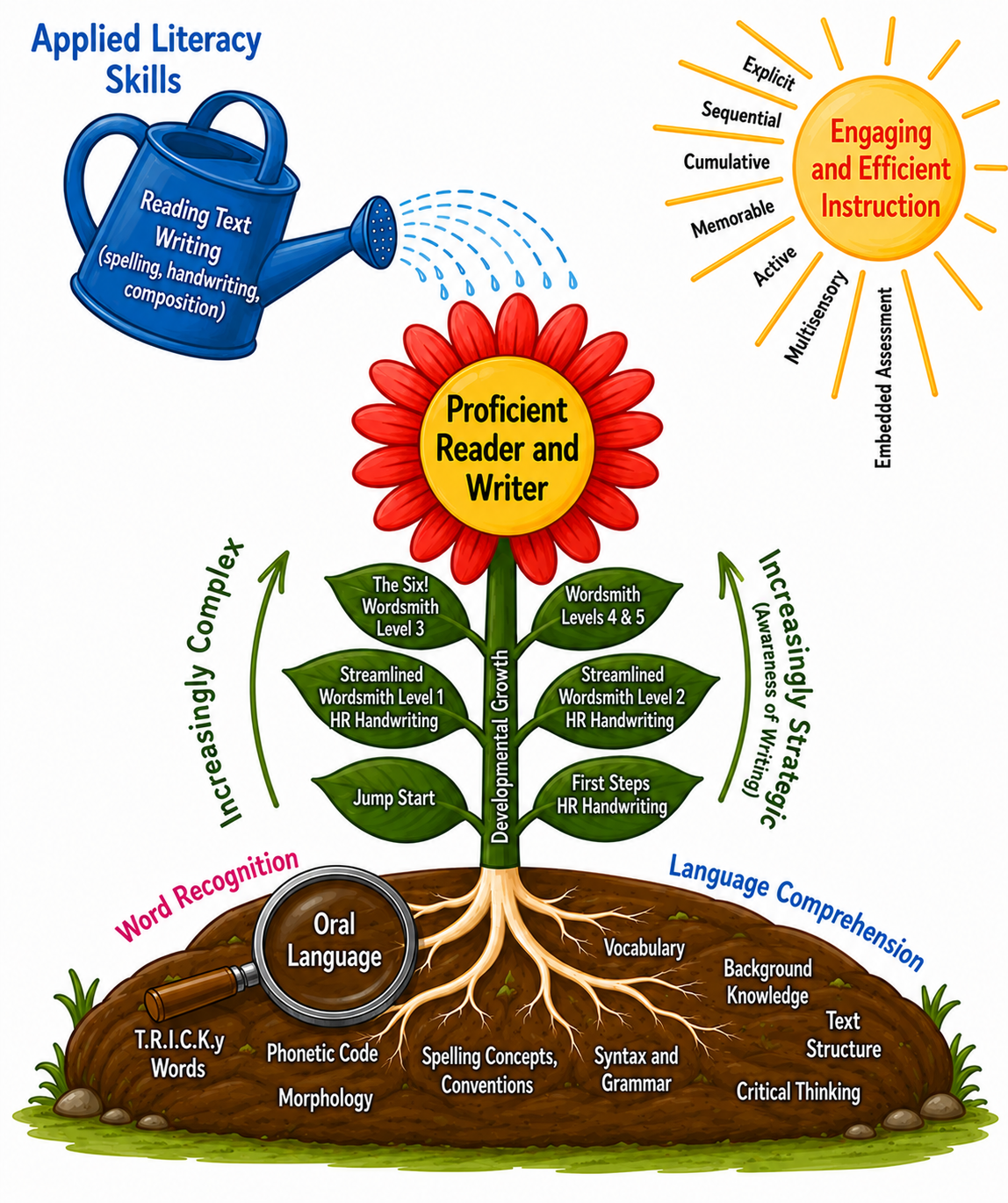
Why is oral language so important? We explore what the Science of Reading tells us about oral language development — and why it’s the foundation for reading success.

What does oral language look like in action? Cheryl Campbell shares real-life classroom examples and strategies for building strong, interactive conversations with students.

How can teachers strengthen oral language and academic language every day? Practical tips for making directions clear, building vocabulary, and supporting oral language through play and read-alouds.

Where do we go from here? A look at key takeaways, classroom reflection questions, and simple next steps for growing students’ oral language — the foundation of reading success.