📌 Decodable Books Part 3: Teacher Tips
Decodable Books:
How to Use Them Well
Decodable books are most effective when they are used with intention. The goal is not simply to finish a book, but to help students apply decoding skills, build fluency, and strengthen comprehension. The strategies below work in whole-group, small-group, and intervention settings, whether you’re using CRSL’s physical books or the online flip-book versions.
The teacher tips below address two questions teachers ask most often:
(1) How many times to you reread a decodable text? and,
(2) how do you encourage inferential thinking and comprehension when students are reading?
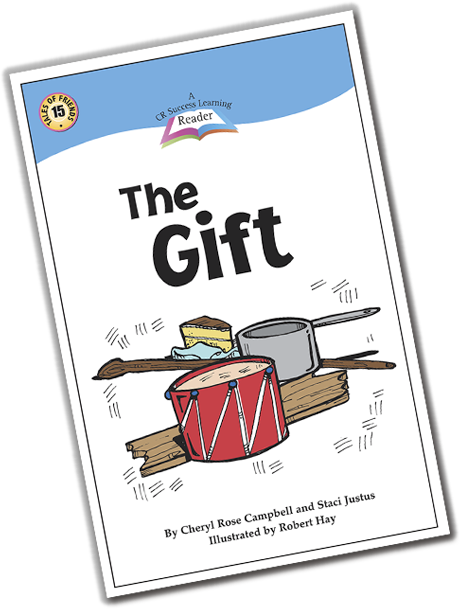
Here’s a preview of a story titled The Gift from the Tales of Friends series (written for first and second grade), along with the lesson plan from the online Teacher Guide, as an example of these tips in action.
Tip # 1. Reread decodable texts more than once
Plan for students to read a decodable text at least twice and preferably three times, depending on individual needs. During the first reading, students focus on accurate decoding. On subsequent readings, attention shifts toward smoother, more fluent reading and improved phrasing. Repeated readings can take place in small groups, through partner reading at a center, or at home with a family member.
Why It Works: Repeated reading gives students multiple opportunities to apply the same decoding skills without introducing new phonetic demands. The first read requires focused decoding, while later reads reduce cognitive load and allow students to attend to fluency and meaning. This structure builds automaticity and confidence, helping students internalize the message: “I can read this.”
Tip # 2. Intentionally support comprehension before, during, and after reading
When decodable books use meaningful language, teachers can actively support comprehension throughout the reading process. Before reading, preview key decodable and irregular words and activate background knowledge. During reading, pause briefly for clarification or visualization. After reading, guide students in retelling, summarizing, or making personal connections.
On reviewing the Teacher’s Guide for The Gift, you’ll see how CRSL supports comprehension using:
thoughtful questions
personal connections
visual supports (Story Map and Main Idea graphic organizers, shown below and downloadable PDFs)
English Learner strategies
assessments
Why It Works: Comprehension does not happen automatically, especially for early readers. Embedding comprehension support before, during, and after reading helps students connect decoding to meaning. This reinforces that reading is about understanding, not just saying words correctly. The Teacher’s Guide for The Gift models this process in a clear, manageable way.
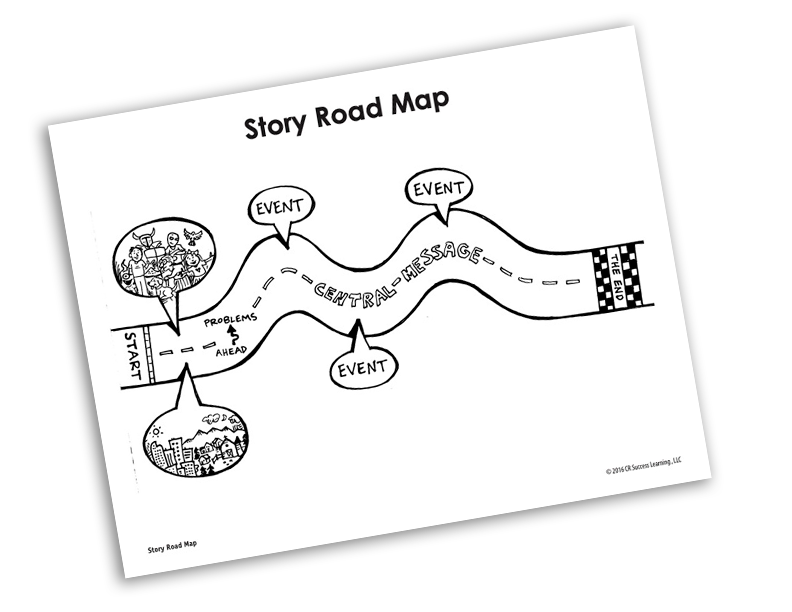
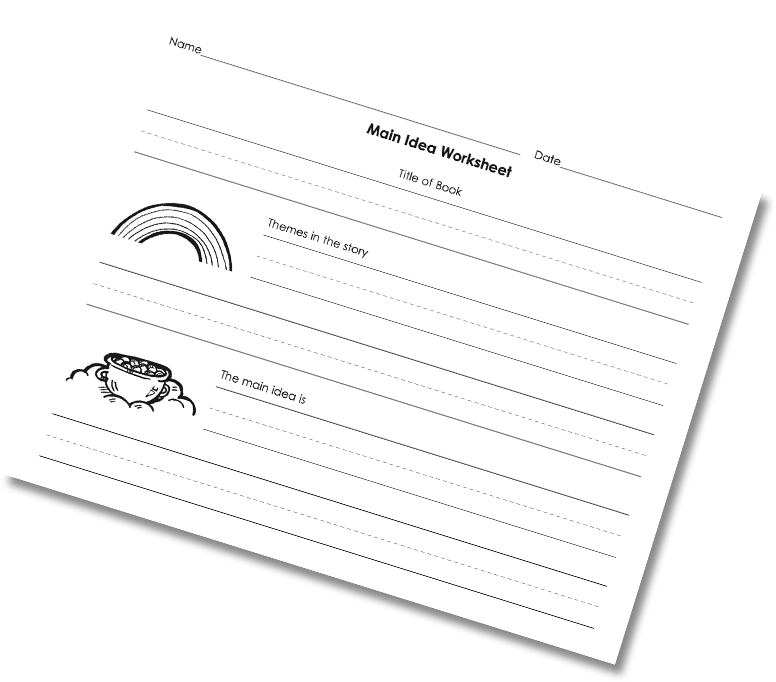
Wrapping up: As we wrap up, it might be helpful to see the full CRSL decodable book series laid out in one place. Because the series is planned sequentially over time, seeing it together often helps clarify how each set fits and supports instruction year after year. Visit How to Choose Decodable Readers to explore and preview the entire series.
Next up: In the final post of this series, we pull it all together: the research, classroom experience, teacher strategies, and consider some next steps.

In Focus explores the concepts that matter most in structured literacy. Each topic examines the research, shares classroom experience, offers practical teaching strategies, and brings it all together the CRSL Way.