
Unit 1: Closed Syllables, Consonant Teams, Best & Rest
Unit Overview
-
By the end of this unit, students will:
✓ read and spell simple Closed Syllables
✓ understand that in a Closed Syllable, the vowel is “closed in” by a consonant or consonants. The vowel can only run a short way, so it spells its short sound.
✓ explain that two consonants can work together as one team
✓ identify sh, wh, th, ch, qu, ng
✓ read Closed Syllables containing sh, wh, th, ch, qu, ng
✓ spell words containing the the new teams (spell /wh/ when prompted by gesture)
✓ understand that three consonant sounds have a Best and Rest spelling:
for /f/, f is the Best, ph is the Rest;
for /n/, n is the Best and kn is the Rest;
for /r/, r is the Best and wr is the Rest
✓ read T.R.I.C.K.y words: heart, minute
-
Students know:
consonant sounds
short vowel sounds
Closed Syllables
suffix -s
-
Key Idea: A Closed Syllable has one vowel that is closed in by one or more consonants. The vowel can only run a short way, so it spells its short sound.
-
Key Idea: Students learn that two consonants can work together as a team to spell one brand new sound.
-
Key Idea: One sound can have different spellings. One spelling is the Best, or used most often, and one is the Rest, or used less often. I read the spelling I see, and I learn which spelling each word needs.
Concept 1b: Closed Syllables
-
A Closed Syllable has one vowel that is closed in by one or more consonants. The vowel can only run a short way, so it spells its short sound.
-
Not all consonants can close the door. Students learn that r, w, y cannot be the last consonant in a CVC word, as these letters team with the vowel to produce other sounds (car, saw, day).
We never end a word in a v; we add an e. Sometimes the silent e changes the vowel sound (gave) but not always (have, give).
The letter s spells two sounds, /s/ and /z/. Often, in the middle or at the end, s spells /z/ (is, has).
This is the most common syllable type.
-
WHAT?
Students recognize that the vowel sound is short when one vowel is followed by a consonant or consonants.
WHY?
Students know the vowel sound is short in VC, CVC.
This prepares students to recognize larger spelling units while reading.
HOW?
Show vowel running by moving magnetic letter and then stopped by a consonant: me to met, go to got.
-
Student: Reads cap as cape
Teacher says: “Cap has one vowel followed by a consonant. It is a Closed Syllable. What should the vowel sound be?”
Student: Identifies day as a Closed Syllable.
Teacher: Cover word. “You said cup.” Uncover word. “What do you see?”
Student: Identifies day as a Closed Syllable.
Teacher says: “y is a consonant only at the beginning of a word. It teams with a in this word to spell /A/.”
-
A closed, a closed, a closed syllable
Has one vowel that can only be short.
The consonant that’s after the vowel
Closes in the vowel and makes it short.
A closed, a closed, a closed syllable
Read it in lid and dip and bib,
The consonant that’s after the vowel,
Closes in the vowel and makes it short.
A closed, a closed, a closed syllable
Read it in ten and bed and wet,
The consonant that’s after the vowel,
Closes in the vowel and makes it short.
A closed, a closed, a closed syllable
Read it in jam and hat and map,
The consonant that’s after the vowel,
Closes in the vowel and makes it short.
A closed, a closed, a closed syllable
Read it in gum and hut and pup,
The consonant that’s after the vowel,
Closes in the vowel and makes it short.
A closed, a closed, a closed syllable
Read it in chop and mob and hot,
The consonant that’s after the vowel,
Closes in the vowel and makes it short.
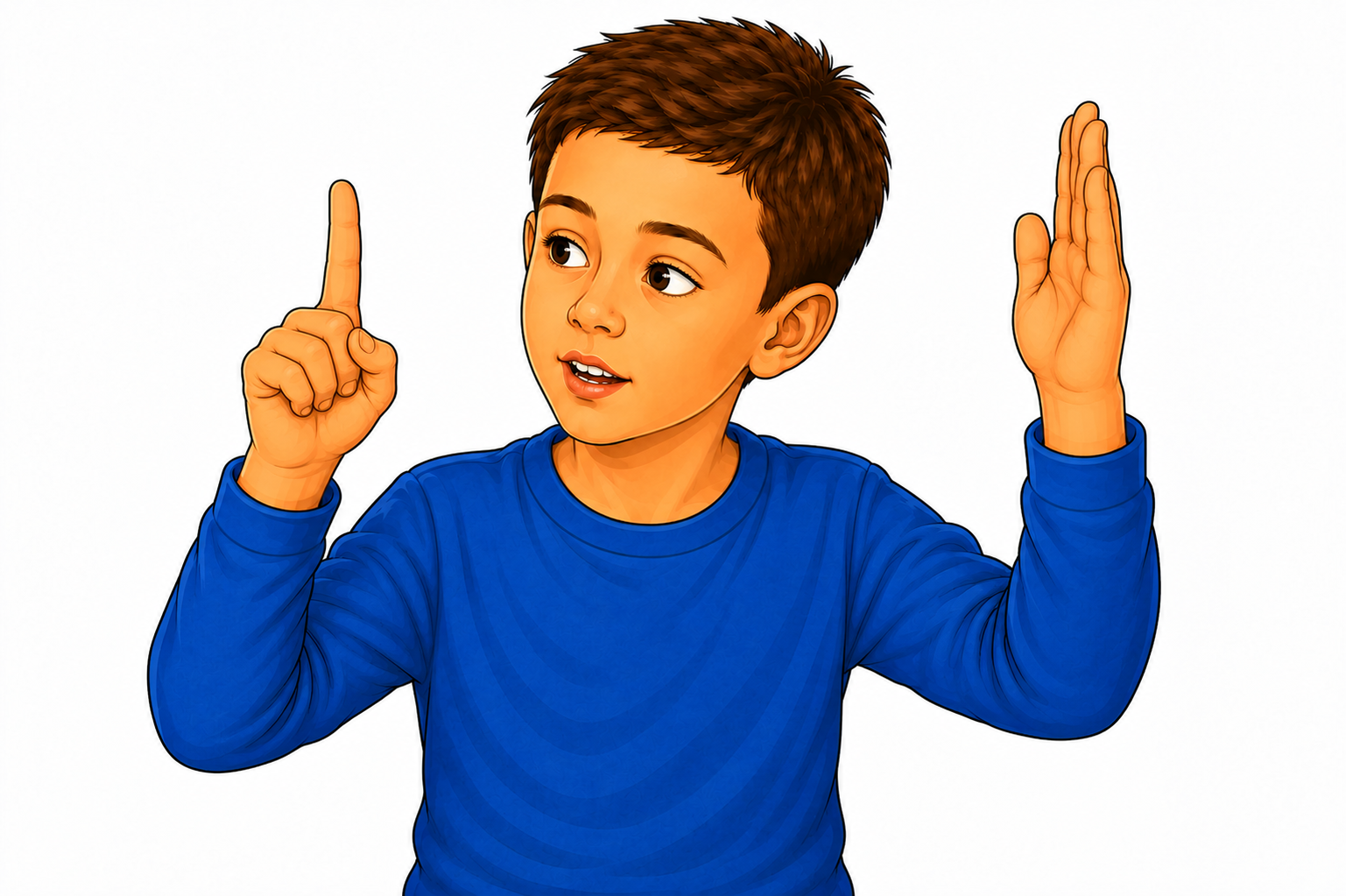
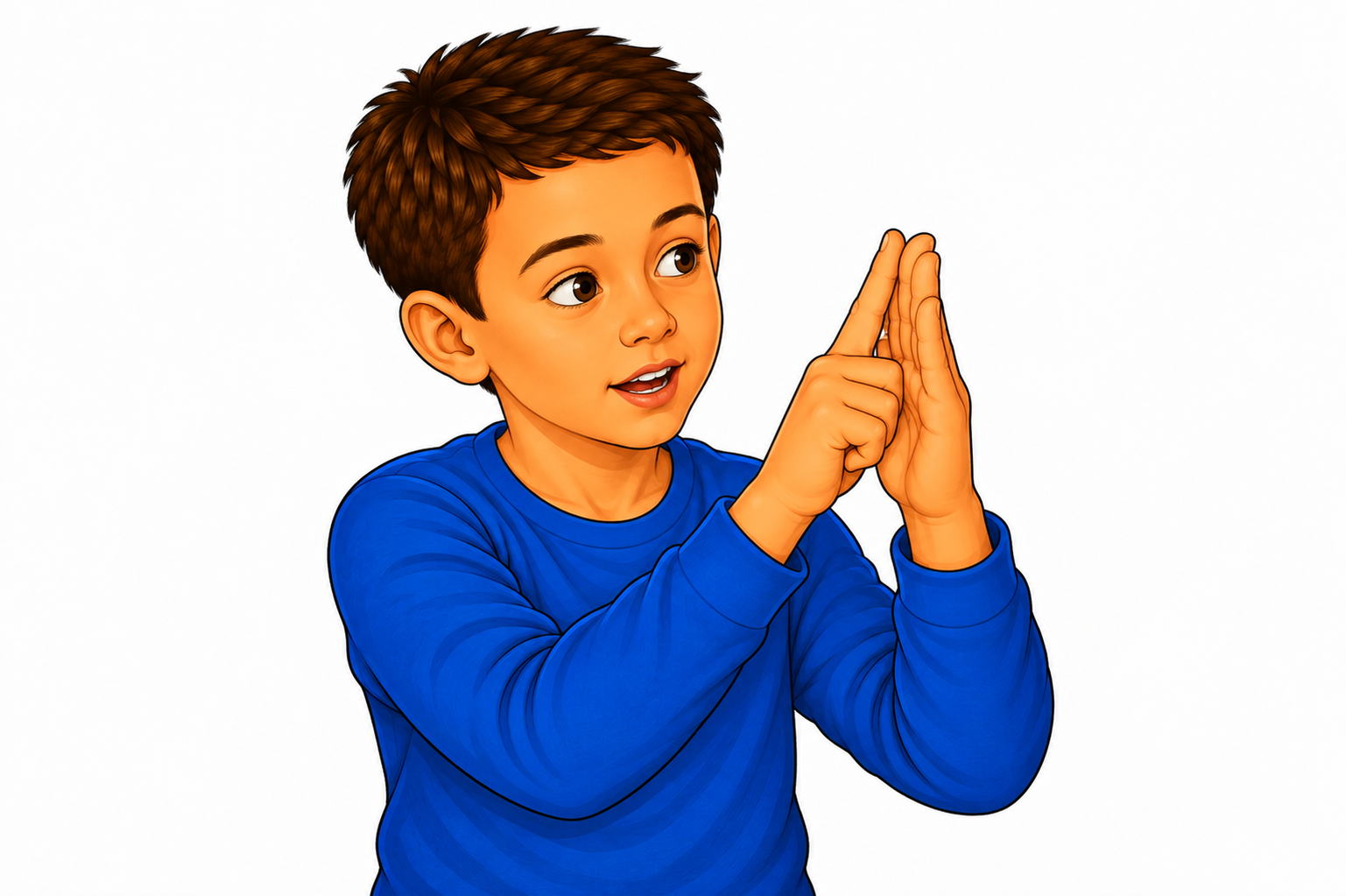
One vowel closed in by a consonant can only run a short way, so it spells its short sound. This is a closed syllable.
Concept 2: Consonant Teams
-
Two letters on one tile,
together have one sound.
Two letters on one tile,
together have one sound.
Like /sh/ /sh/ the quiet team
And /wh/ /wh/ the birthday team.
/sh/ /sh/ /sh/ quiet team,
/wh/ /wh/ /wh/ birthday team.
Ah, ah-ah-ah,
Two letters on one tile,
together have one sound.Two letters on one tile,
together have one sound.
Two letters on one tile,
together have one sound.
Like /th/ /th/ the rude team,
And /ch/ /ch/ Karate team.
/th/ /th/ /th/ the rude team,
/ch/ /ch/ /ch/ Karate team.
Ah, ah-ah-ah,
Two letters on one tile,
together have one sound.Two letters on one tile,
together have one sound.
Two letters on one tile,
together have one sound.
Like /qu/ /qu/ the queen team,
And /ng/ /ng/ the king team.
/qu/ /qu/ /qu/ queen team,
/ng/ /ng/ /ng/ king team.
Ah, ah-ah-ah,
Two letters on one tile,
together have one sound.
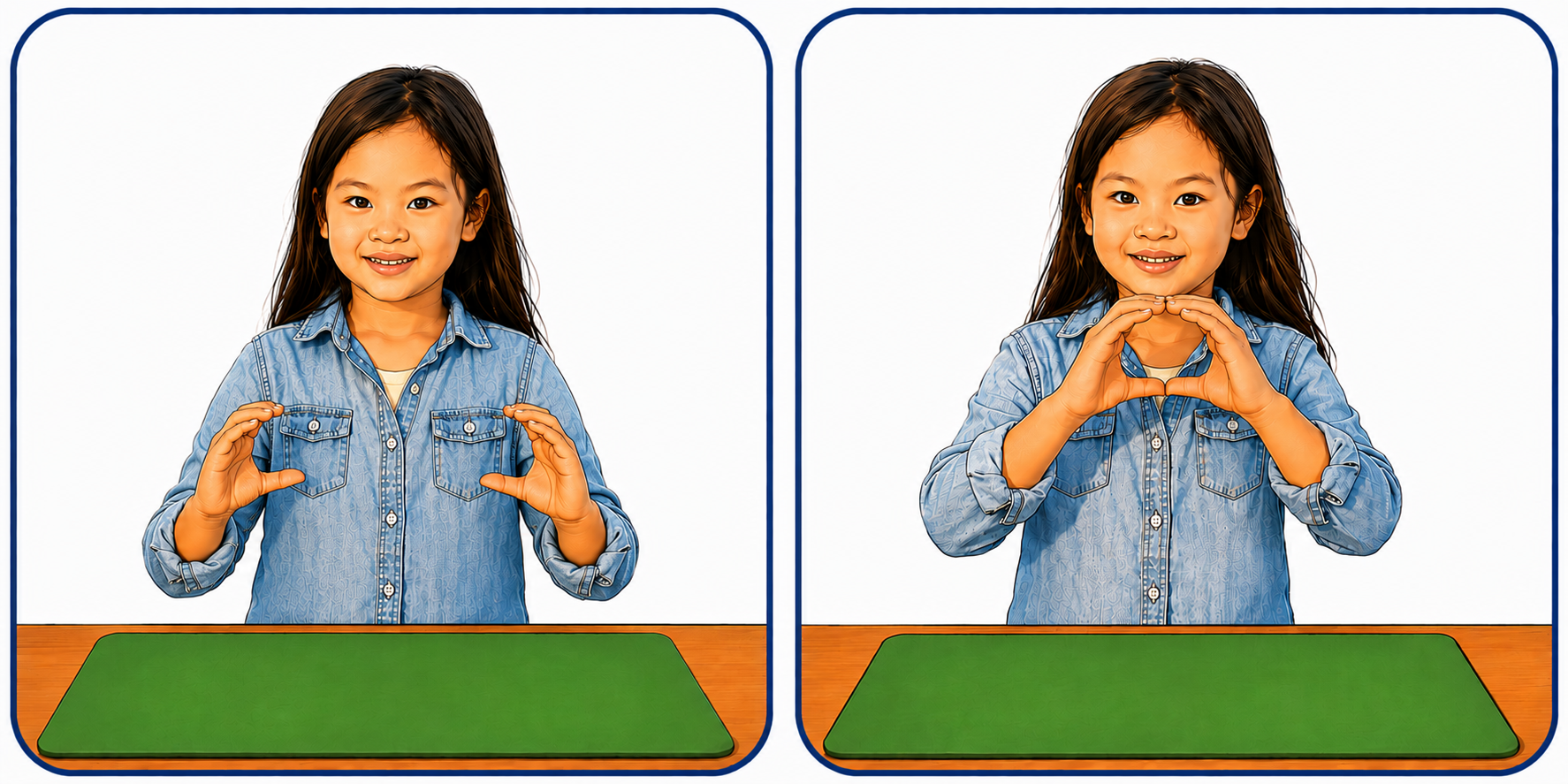
Two consonants team together to make one brand new sound.
-
Students learn that two consonants can work together as a team to spell one brand new sound.
-
Students learn to recognize each team as a single spelling unit while reading and spelling.
The formal term consonant digraph is provided for teachers only. Students consistently use the word team.
-
WHAT?
Students prepare to learn that two consonants sometimes work together as a team to spell one new sound.
WHY?
Students already know individual consonant sounds.
Today they learn that two consonants sometimes work together instead of making two separate sounds
HOW?
Review single consonants.
Display sh, wh, th, ch, qu, ng.
Explain that these letters work together like teammates. Teach gestures and names for each sound.
-
Student pauses or reads sound separately
Teacher says: “Read the team together.”Student mispronounces the sound
Teacher says: “Watch my mouth as I say sound.”Student misspells by using one letter or leaving out a letter
Teacher says: “The Quiet Team has 2 letters, the h comes last.”Student spells words with wh using w
Teacher shows gesture and says: “This word has the wh spelling.”
Concept: Best and Rest for Consonants

-
One sound can have different spellings. One spelling is the Best, or used most often, and one is the Rest, or used less often. I read the spelling I see, and I learn which spelling each word needs.
-
kn and wr usually appear at the beginning of words or word parts. ph can occur at the beginning, middle, or end.
kn and wr are ancient spellings that we have kept for some words. ph is a Greek spelling.
kn and wr usually appear at the beginning of words or word parts. ph can occur at the beginning, middle, or end.
Separate reading from spelling: Students can learn to read these patterns before reliably choosing them in spelling. The sound alone does not tell them whether to write n or kn, r or wr, f or ph.
Begin with familiar, manageable words: Use knit, knot, knob; wrap, wrist; graph.
-
WHAT?
Students are learning that a sound can have different spellings. We classify them by most frequent (Best) and less frequent (Rest).
WHY?
Best and Rest will continue to be an important concept, particularly for vowels.
Students need this concept early as some common words have these spellings.
HOW?
Connect familiar sounds to new spellings: “You know n spells /n/. Kn can also spell /n/, as in knit.”
Read the letters together: Mark or underline kn, wr, or ph as one unit. In sound boxes, the two letters share one box.
-
Student pauses or reads sound separately
Teacher says: “Read the team together.”Student mispronounces the sound
Teacher says: “Watch my mouth as I say sound.”Student misspells by using one letter or leaving out a letter
Teacher says: “The Quiet Team has 2 letters, the h comes last.”Student spells words with wh using w
Teacher shows gesture and says: “This word has the wh spelling.”
Final Prep
-
-
You will use this to guide your teaching through the day’s lesson.
-
Make Copies of Unit 3 Practice Pages
-
Teaching T.R.I.C.K.y Words
-
Day 1: heart
Day 2: minute