🧭 Early Literacy Part 4: Putting it All Together

Early Literacy: Putting It All Together
Young children do not become readers by mastering a collection of isolated skills. They build toward reading gradually as sounds, language, letters, movement, print, and meaning begin to connect.
Throughout this In Focus series, we have looked at that process from three different perspectives: what research tells us about early literacy, how research and experience can shape instructional design, and what intentional literacy instruction looks like in the hands of a teacher. Pull those perspectives together, and several important ideas emerge.
Start with the Child
Children arrive in our classrooms with different experiences and different knowledge.
One child may recognize the letters in her name. Another may know the alphabet song but not recognize individual letters. Some children have rich spoken vocabularies. Others are still developing their awareness of the sounds within words.
Good early literacy instruction begins with an understanding of how young children develop, and gives each child repeated opportunities to build from what they already know.
Teach with Purpose
Early childhood classrooms are full of stories, songs, rhymes, conversation, movement, drawing, play, and hands-on experiences. But an engaging activity and an intentional learning experience are not always the same thing.
➡ The important question is:
What is the child learning while doing this?
A rhyme can develop awareness of sound. An action can help a child remember a sound. Air-writing can connect a letter with the movement used to form it. A conversation about a story can build vocabulary and understanding.
The activity is the experience. The learning is the purpose.
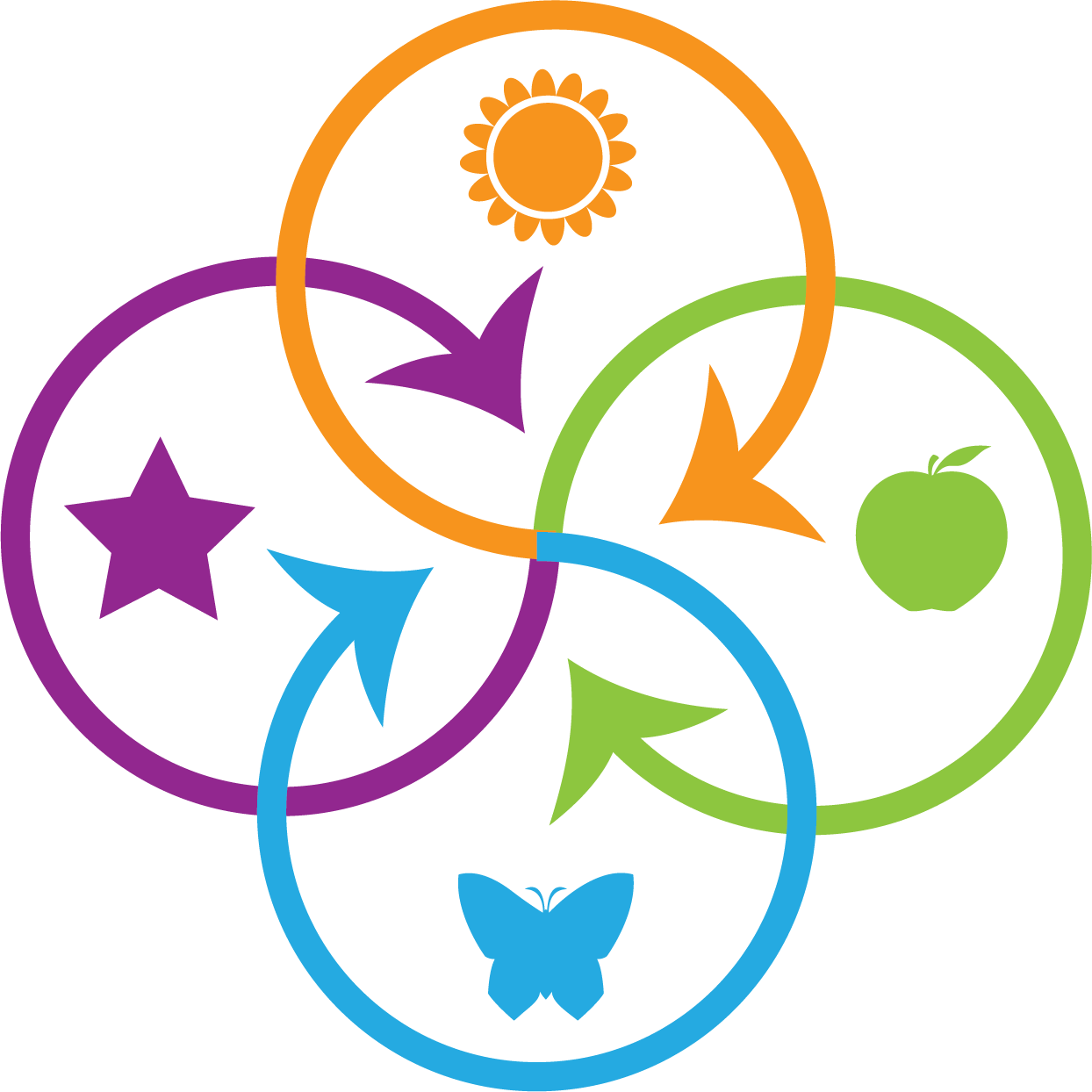
Jump Start revisits alphabet knowledge through four purposeful cycles, with each encounter adding to what children already know.
Come Back to Important Learning
Young children need time and repeated encounters to build knowledge. That does not mean simply doing the same thing over and over. A sound first heard and produced can later be connected to a letter. That letter can be formed with the hand, discovered in a familiar word, noticed in a book, and eventually understood as one part of the alphabetic system.
Each encounter adds something. Effective repetition doesn’t just repeat learning. It deepens it.
Make the Connections Visible
Early literacy skills do not develop in separate compartments. Sounds connect to letters. Letters connect to movements. Sounds and letters appear in words. Words carry meaning. Stories build language and understanding. Gradually, what children hear, say, see, and do begins to form an interconnected system.
Those connections matter because reading will eventually ask children to bring many kinds of knowledge together at once.
Keep the Teacher at the Center
A strong curriculum can provide a thoughtful sequence, purposeful activities, useful materials, and guidance grounded in research. But the curriculum does not know the children in the room. The teacher does.
The teacher notices who has made a connection and who needs another encounter. The teacher listens, models, responds, adjusts, encourages, and knows when to move forward.
Intentional instruction depends not only on what is taught, but on the teacher who brings that instruction to life.
Preparing Children to Become Readers
Early literacy is not about making preschool look like elementary school. Nor is it about moving children through a checklist of skills as quickly as possible. It is about building a foundation.
We want children to enter formal reading instruction with growing knowledge of sounds, letters, language, print, and meaning. And we want children entering instruction with experience connecting those pieces in ways that make sense. That is the thinking behind Jump Start to Literacy: taking what we know about early literacy development and turning it into intentional, connected experiences teachers can use with young children. Because…
➡ The goal isn’t simply to get children through the alphabet.
It’s to prepare them to become readers.

In Focus explores the concepts that matter most in structured literacy. Each topic examines the research, shares classroom experience, offers practical teaching strategies, and brings it all together the CRSL Way.